
The Centre for Information Technology and Development (CITAD) has identified significant accessibility gaps in government websites and portals across Nigeria, with a new assessment showing that many public institutions still face challenges in providing inclusive digital services for persons with disabilities.
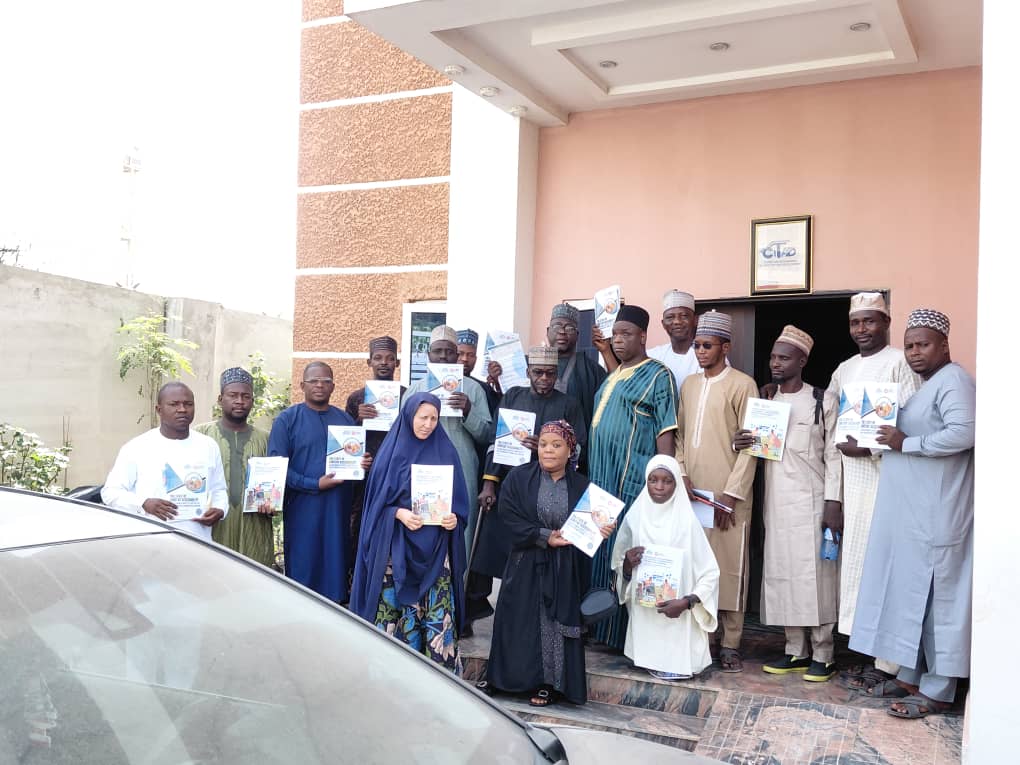
The findings are contained in CITAD’s report, Assessment of the Accessibility of Government Websites and Portals, launched in Kano on November 27, 2026.
The assessment examined 151 government and public-institution websites, recording an average accessibility score of 57.3 per cent, categorised as “Fair”.
Five key criteria were used: screen-reader compatibility, colour contrast, audio or read-aloud functionality, image labelling through alternative text, and video subtitles or captions. The criteria were informed by consultations with persons with disabilities.
CITAD combined automated accessibility testing with human verification. Its assessment process used PAWSOM-Monitor, an AI-supported tool and AccessibilityChecker.org, followed by manual reviews to verify findings and remove false positives.
The report identified widespread barriers. A total of 149 websites had at least one screen-reader accessibility problem, while 146 lacked audio or read-aloud functionality. In addition, 127 websites had insufficient colour contrast, and 115 had problems with image labelling.
Only one website attained the “Excellent” rating, while 115 were rated “Fair” and 24 fell into the “Poor” category.
The Nigeria Customs Service emerged as the best-performing institution, scoring 86 out of 100. It was followed by the Nigerian Airspace Management Agency with 82 points, the Institute for Peace and Conflict Resolution with 77, Sa’adu Zungur University with 75, and the Oyo State Agency for Persons with Disabilities, also with 75 points.
Despite their higher scores, the report noted that the leading websites still had areas requiring improvement.
The assessment recommends that government make digital accessibility a mandatory requirement in the design, procurement, development and maintenance of public websites. It also calls for the appointment of Accessibility Audit Officers across ministries, departments and agencies, regular accessibility assessments, and continuous technical training for website developers and content managers.
The report further urges government institutions to involve organisations of persons with disabilities in designing and testing digital platforms and establish channels through which users can report accessibility barriers.
CITAD maintains that Nigeria’s digital transformation must go beyond making public services available online. Government websites and portals must be accessible and usable by all citizens, including persons with disabilities.