
By Amina Khalid
Farmers in Kano State have expressed concern over unpredictable rainfall patterns, prolonged dry spells and rising temperatures, saying the development is affecting crop production and increasing farming risks.
The farmers said the changing weather conditions had made it difficult to determine when to prepare their farms, plant crops and apply agricultural inputs.
They also said irregular rainfall had resulted in crop losses and increased the financial burden on smallholder farmers who largely depend on rain-fed agriculture.
A 2026 study involving 369 farmers in Kano found that farmers had a high level of awareness of climate change.
The study identified unpredictable rainfall, changes in temperature and declining agricultural productivity as some of the major indicators perceived by the farmers.
Malam Abdulrahim, a farmer in Gabasawa Local Government Area, said the rainfall pattern was no longer as predictable as it used to be.
“Before, we could have an idea of when the rain would start and prepare our farms.
“Now, sometimes the rain comes and stops for a long time. This affects the crops because they need water at different stages of growth,” he said.
Abdulrahim said the uncertainty had also affected farmers’ investment decisions.
“You can plant thinking the rain will continue, but if it stops, the crops may suffer.
“Sometimes you have already spent money on seeds and fertiliser before you realise that the season is not going as expected,” he said.
Similarly, Musa Abdu, a farmer from Albasu community, said farmers were beginning to change their crop choices to cope with the changing weather conditions.
“We are now trying to plant crops that can mature faster because we cannot be sure that the rain will continue for a long time,” he said.
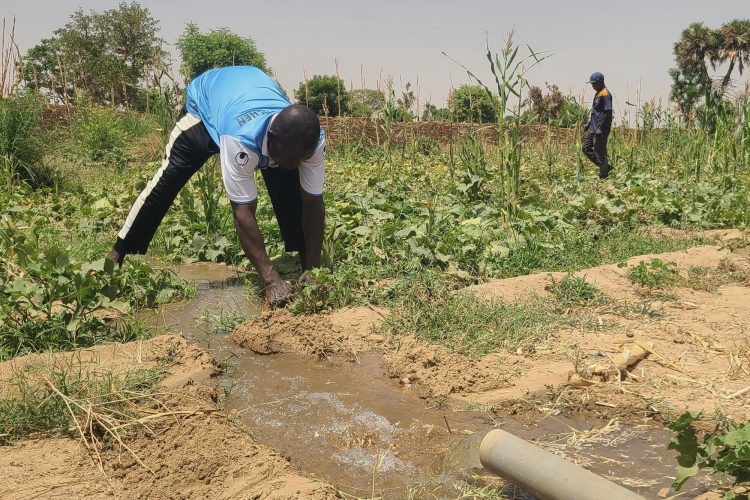
Abdu called for improved access to irrigation facilities to enable farmers to continue production during periods of insufficient rainfall.
“If we have water and irrigation, we can continue farming even when the rain stops.
“But many farmers cannot afford the equipment or the cost of pumping water,” he said.
Salahatu Ali, a farmer in Zakirai, said the changing weather had made farming increasingly risky because farmers could lose both their harvest and investment.
“Sometimes you put everything you have into the farm, expecting that you will harvest enough to support your family.
“When the weather changes and the crops fail, you lose not only the harvest but also the money you invested,” she said.
Ali said timely access to reliable climate information would help farmers make better decisions.
“If we know what to expect, we can plan.
“We need information about when to plant, what crops to plant and when there may be a long dry period,” she said.
Research conducted among farmers in Tofa Local Government Area showed that farmers obtained climate information through radio, agricultural extension workers, fellow farmers, community meetings and non-governmental organisations.
The research indicated that radio could serve as an important platform for disseminating climate information to rural farmers, particularly when the information was provided in languages and formats they could easily understand.
Agricultural extension officers and climate experts could also assist farmers in interpreting weather forecasts and applying the information to their farming activities.
The 2026 study on farmers’ perceptions of climate change in Kano recommended stronger agricultural extension services and improved dissemination of reliable climate information.
It said the measures would enhance farmers’ capacity to respond to climate variability and reduce its impact on agricultural production.
The farmers also called for affordable improved seeds, fertiliser, irrigation facilities, agricultural extension services, timely weather information and access to finance.
Nasiru Rufa’i, another farmer, said farmers were willing to adapt to the changing climate if adequate support was provided.
“We are ready to adapt, but farmers need support. Give us the information and the tools, and we can change the way we farm,” he said.
The farmers’ concerns have also raised wider questions about food security in Kano, where agriculture remains an important source of livelihood and food supply.
A sustained decline in agricultural productivity could reduce food availability and household incomes and contribute to higher food prices.
Experts and stakeholders therefore stress the need to strengthen farmers’ access to climate information, irrigation, improved agricultural inputs, finance and extension services to enable them adapt to changing weather conditions.