
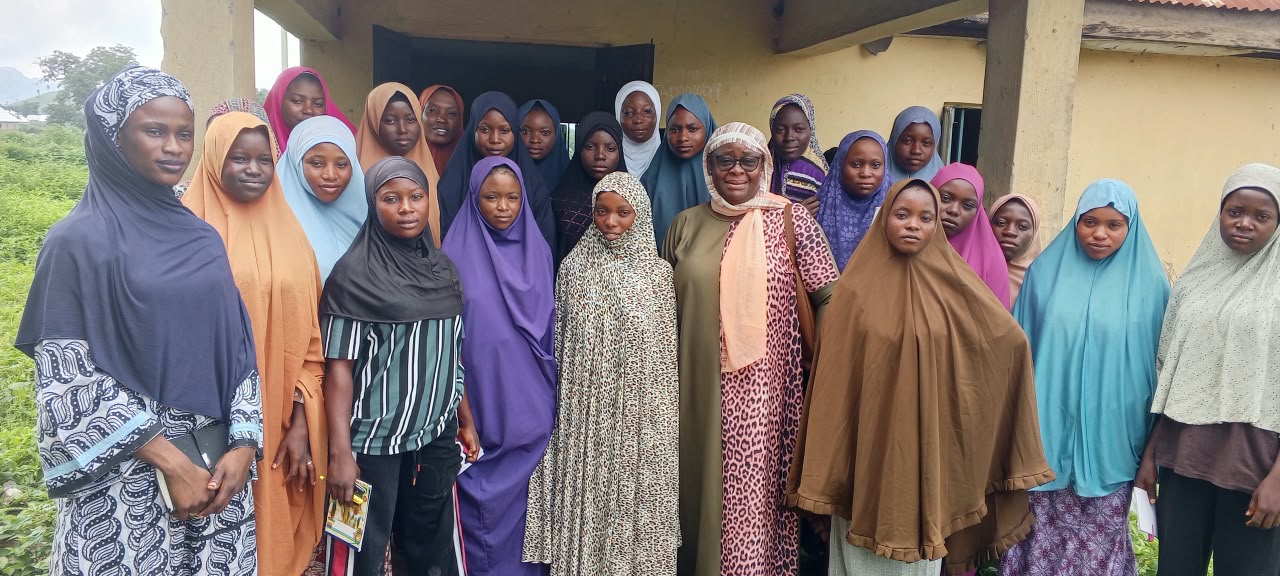
The Centre for Information Technology and Development (CITAD) and ActionAid Nigeria (AAN) have taken their Girl Safe Space initiative to five communities in Nigeria’s Federal Capital Territory, creating platforms for adolescent girls to discuss threats to their safety, education and wellbeing.
The meetings were held in Tungan Nasara in Abuja Municipal Area Council, Kaida Tsoho and Vine Heritage Home in Gwagwalada Area Council, and Leleyi Gwari and Leleyi Bassa in Kwali Area Council.
The initiative brought together adolescent girls to discuss challenges in their communities and identify people and institutions they could turn to for support.
At Tungan Nasara, CITAD facilitators Yesmine Salako and Usman Bashiru, ActionAid’s Kyauta Giwa and Martha Yusuf led the discussions.
The session opened with a song in the Gbagyi dialect before the participants discussed issues affecting girls in the community.
Salako said the safe-space sessions allowed girls to speak openly, listen to one another and identify practical responses to problems they faced.
“The platform provides girls with an opportunity to communicate their concerns and seek appropriate support when necessary,” she said.
Giwa said the initiative would help girls build confidence and self-esteem.
She urged the participants to share their experiences without fear of judgement and seek help from trusted people when facing difficult situations.
The girls identified teenage pregnancy, school dropout, financial difficulties, parental negligence, domestic violence, inadequate parental guidance, early marriage and bullying among the challenges confronting them.
They also cited poor access to quality education, long distances to secondary schools, lack of funds, non-functional schools, limited skills-acquisition opportunities and poor menstrual hygiene management.
Parents and guardians, family members, teachers, government officials, community leaders and programme facilitators were identified as sources of support.
CITAD and ActionAid said the meetings would continue in the five communities and called for greater support from families, communities, schools, government institutions and development organisations to improve girls’ education, protection and wellbeing.