
By Amina Khalid
Women Human Rights Defenders (WHRDs), journalists and advocates have called for stronger digital protection mechanisms to address increasing cases of online harassment, cyberstalking, impersonation and other forms of abuse against women.
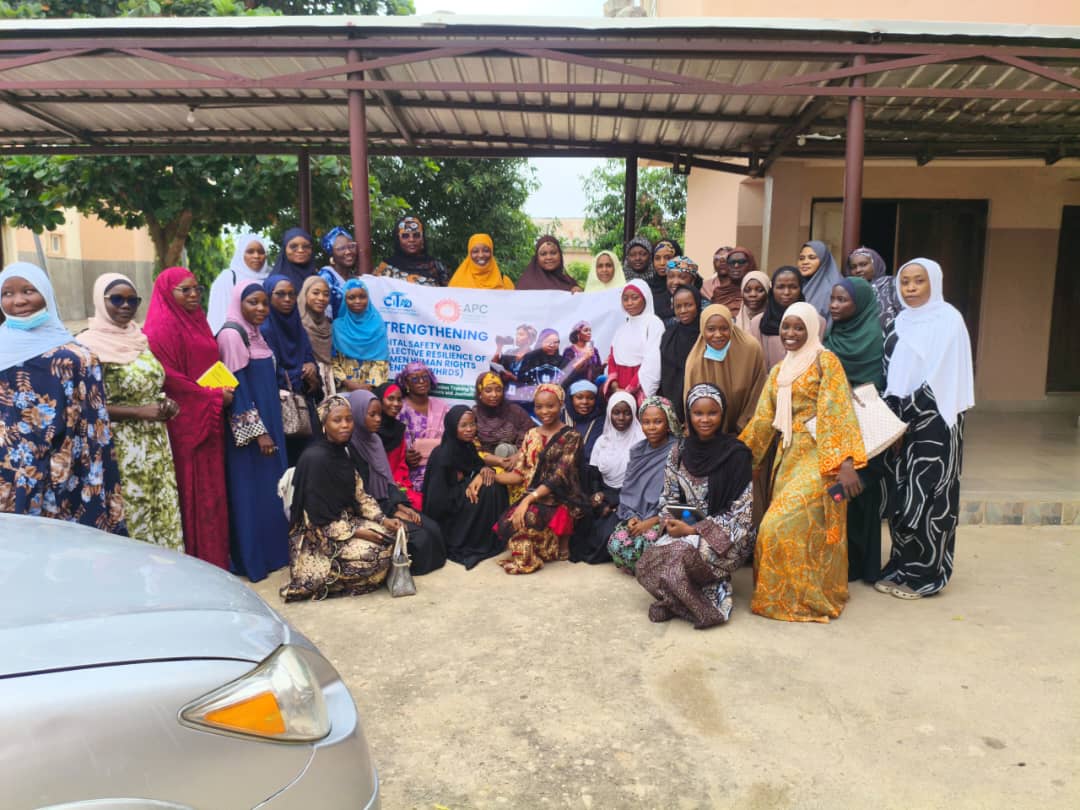
The participants made the call at the end of a two-day digital safety workshop organised by the Centre for Information Technology and Development (CITAD), with support from the Association for Progressive Communications (APC).
The workshop was held under CITAD’s Strengthening Digital Safety and Collective Resilience for Women Human Rights Defenders (WHRDs) project.
The workshop brought together women involved in human rights advocacy, journalism and community work from Bauchi and Jigawa.
The participants were trained on how to identify, prevent and respond to digital threats, including online harassment, cyberstalking, impersonation and image-based abuse.
They also learnt how to report harmful content, preserve digital evidence and strengthen the security of their online accounts and personal information.
Hajara Muhd, one of the participants from Bauchi, said the workshop had broadened her understanding of digital safety.
“I have learnt that digital safety is not only about having a strong password. It is also about being careful with the information we share, the people we interact with online and knowing what to do when we experience harassment or threats.”
Hajara said the practical nature of the training would help her become more cautious about her online activities and better prepared to respond to digital abuse.
Another participant, Lucy Goteng from Dutse, said the workshop helped her understand the seriousness of online harassment and the importance of documenting incidents.
“Before now, I used to see some forms of online harassment as something we should simply ignore. But I have learnt that cyberstalking, impersonation and other forms of abuse can affect our safety and wellbeing, and there are steps we can take to document and report them.”
Goteng said the session on digital evidence was particularly important, noting that victims of online abuse could inadvertently delete messages, posts or other information that could help establish what happened.
Maryam Bello, a participant from Bauchi, said the training had made her more conscious of protecting her privacy and personal information.
“The training has made me more conscious of my privacy and the way I use social media. I have learnt about protecting my accounts, handling online harassment and the importance of keeping evidence when something happens.”
Bello also welcomed the emphasis on self-care and organisational support, saying women facing online attacks should not be left to deal with the consequences alone.
The workshop featured practical group exercises based on situations that WHRDs and journalists could encounter online.
Participants examined scenarios involving harassment, cyberstalking, impersonation and image-based abuse and discussed ways of responding, documenting incidents, reporting harmful content and seeking support.
The training also introduced participants to Reportrix, an alternative reporting mechanism that provides another channel through which incidents can be reported and followed up.
The sessions further highlighted the possible consequences of digital attacks beyond the online environment, including emotional distress, reputational damage, threats to physical safety and reduced participation in public conversations.
Participants were encouraged to adopt preventive measures, including stronger account security, privacy-conscious online behaviour, careful management of personal information, evidence preservation and timely reporting.
The workshop also stressed the importance of collective action and stronger organisational support for WHRDs.
Participants discussed how colleagues, civil society organisations and support networks could respond when a WHRD comes under attack, particularly in cases involving coordinated harassment or threats.
The organisers said that as digital platforms continued to play an important role in advocacy, journalism and civic participation, ensuring that women could use the platforms safely was essential to protecting their voices and continued participation.
The two-day workshop ended with participants expressing greater confidence in identifying digital threats and responding to online abuse.
The participants said the training had helped them understand that digital safety went beyond securing online accounts to recognising the risks associated with being visible online and knowing how to respond when such risks became real.