
The Centre for Information Technology and Development (CITAD), with support from the Ford Foundation through the African Centre for Leadership, Strategy & Development (Centre LSD), has strengthened the capacity of 410 men and community actors across Kano, Jigawa and Kaduna states to promote gender equality, challenge harmful masculinities and contribute to the prevention of gender-based violence (GBV).
The intervention was implemented under CITAD’s Male Feminists Network (MFN) Project, a two-year initiative designed to mobilise men as active allies in advancing women’s rights, addressing harmful social norms and promoting safer, more equitable communities.
Through a series of community-based and step-down trainings, participants were equipped with knowledge and practical approaches to identify and challenge harmful gender norms, negative masculinities and practices that can contribute to discrimination and violence against women and girls.
The trainings also promoted positive masculinities centred on respect, equality, accountability, non-violence, communication, consent, shared decision-making and healthy relationships between women and men.
The activities were implemented by CITAD’s Male Feminists Network team comprising Buhari Abba, Kamal Garba Alhassan and Sani Khamees, with support from community-based facilitators.
In Kano State, 120 men from different communities in Sumaila Local Government Area were trained on Sept. 1, with discussions focusing on gender equality and GBV prevention.


CITAD also trained 50 mechanisers in Rurum Community, Rano Local Government Area, on Aug. 25. The session, facilitated by Isyaku Ahmad, focused on challenging harmful masculine behaviours and strengthening participants’ capacity to contribute to GBV prevention within their communities.


Earlier, on Aug. 11, 50 men from Badume Community in Bichi Local Government Area participated in an MFN training focused on gender equality, GBV prevention and positive masculinities. Participants committed to sharing the knowledge gained with at least 50 other people each, creating an opportunity to extend the intervention to a wider community network.


All participants were encouraged to cascade the knowledge and skills gained from the training to other men, families and community members. This cascading approach is intended to extend the programme’s reach and impact beyond the direct beneficiaries and strengthen community ownership of efforts to prevent GBV and promote gender equality.
On Aug. 9, CITAD conducted another MFN step-down training in Rano, where participants were encouraged to challenge harmful gender norms, speak out against GBV and engage other community members in promoting equality and respectful relationships.

The organisation also engaged 50 members of the Kano South Drivers Association, recognising the importance of reaching men across different occupational and social groups and creating opportunities for them to act as positive influencers within their respective networks.

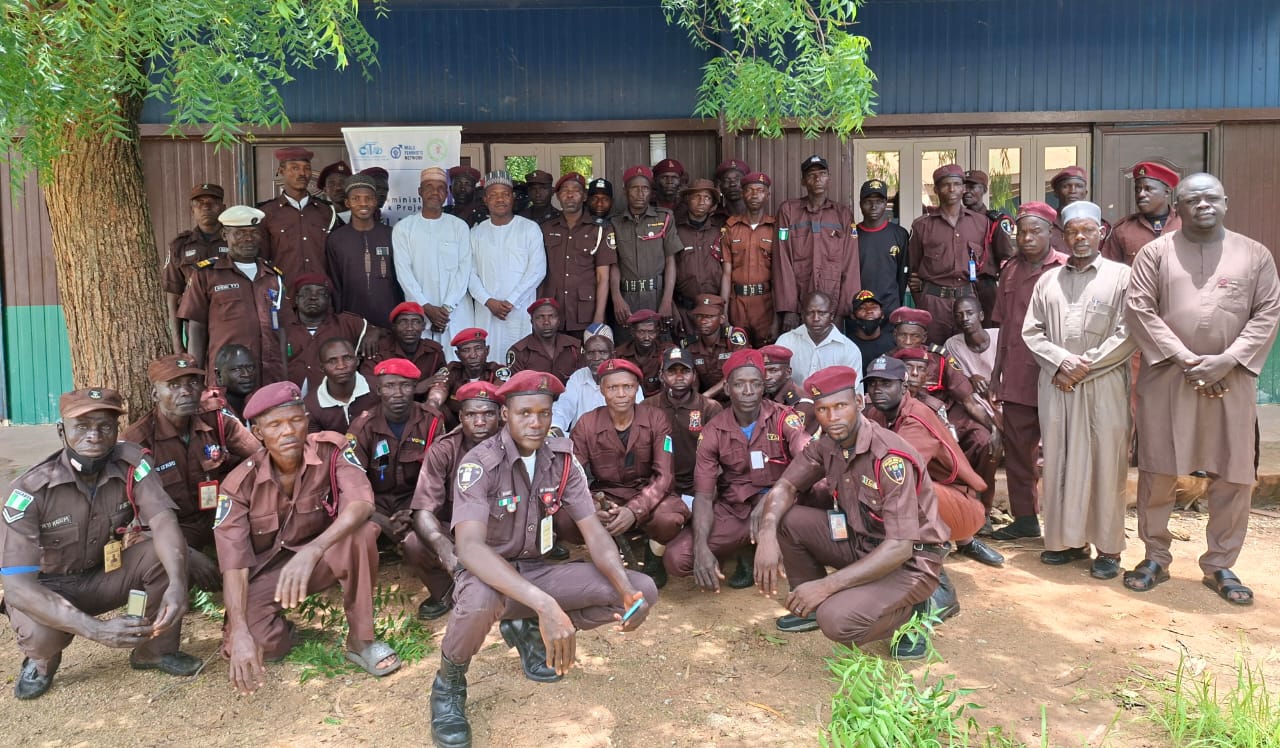
In Jigawa State, 50 vigilante members in Dutse participated in the training on Aug. 13. The intervention focused on strengthening their understanding of gender equality and equipping them with practical knowledge to support GBV prevention and challenge attitudes and practices that may contribute to violence and discrimination.

In Kaduna State, CITAD extended the MFN intervention to communities in Sabon Gari Local Government Area and Zaria. Fifty people were trained in Tudun Wada, Zaria, while 40 residents of Gwargwaje Community in Sabon Gari LGA participated in a separate training on Aug. 20.


Across the intervention areas, the trainings emphasised that preventing GBV is a shared responsibility requiring the engagement of men, women, families, community leaders and other influential actors.

Participants were supported to critically reflect on forms of masculinity that normalise domination, aggression, control and tolerance of violence, while exploring alternative behaviours that promote respect, equality, empathy, peaceful communication and shared responsibility.

The community-based and cascading model is a key sustainability component of the intervention. By equipping participants to share knowledge with others and act as advocates within their communities, the project seeks to create a multiplier effect in which learning extends beyond those directly reached through formal training.
The approach also contributes to strengthening locally led action, enabling community members to become champions of positive social norms and advocates for the rights, dignity and safety of women and girls.
Through the MFN Project, CITAD is building a growing network of men who are willing to question harmful social norms, challenge negative masculinities and actively support gender equality. The network provides an opportunity for men to move beyond being passive observers of GBV to becoming allies and agents of positive change.
CITAD’s intervention demonstrates the importance of engaging men as part of a broader, community-led strategy for preventing GBV. Sustainable progress requires not only changes in individual attitudes and behaviours, but also collective action to transform the social norms and practices that enable discrimination and violence.
By strengthening the knowledge, confidence and community engagement of men and other influential actors, the MFN Project is contributing to the development of communities where women and men can participate equally, relationships are grounded in dignity and respect, and men actively stand against violence, discrimination and harmful gender practices.