
Buhari Abba
The Centre for Information Technology and Development (CITAD) has raised alarm over what it described as the arbitrary detention of Sani Waspapping and Abubakar Adamu by the Department of State Services (DSS) over social media commentary on the ongoing conflict in the Middle East.
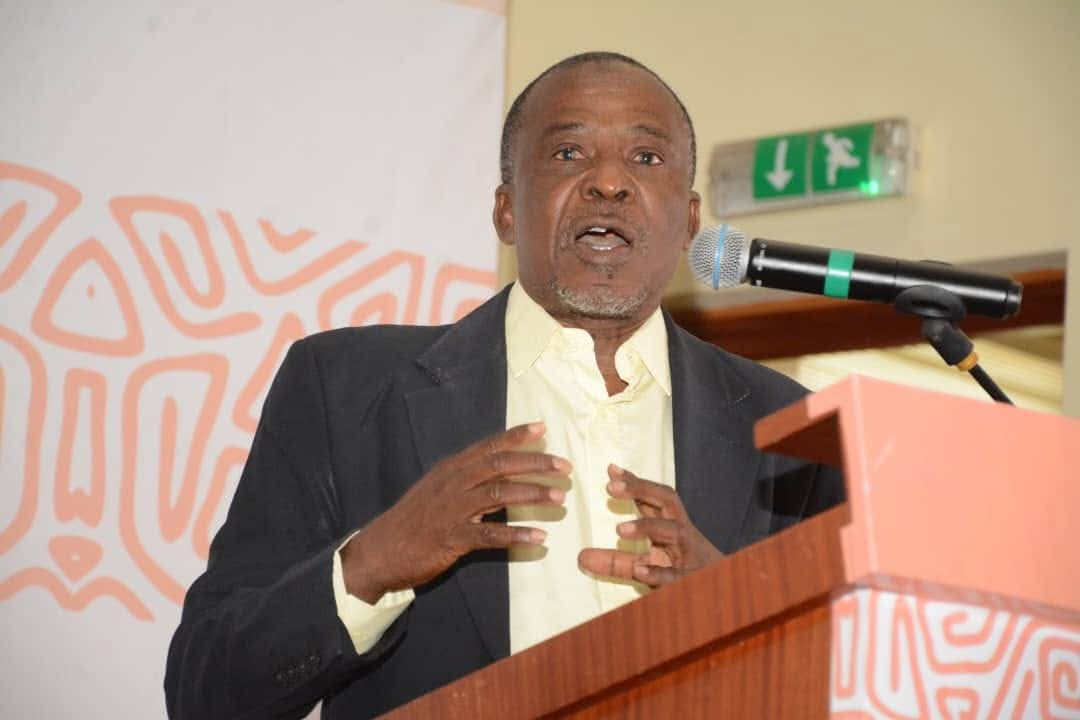
In a statement signed by its Executive Director, Malam Y.Z. Ya’u, CITAD said the continued detention of the two individuals is “deeply troubling and inconsistent with the constitutional guarantees of freedom of expression.”
Ya’u emphasised that, “Section 39 of the Constitution of the Federal Republic of Nigeria guarantees the right of citizens to hold opinions and to receive and impart ideas and information without interference. Criticism of the policies of any government—whether domestic or foreign—falls squarely within the ambit of protected speech and should not be criminalised.”
The organisation further noted reports indicating that one of the detainees is facing prosecution on what it called “questionable charges,” while several others who have expressed critical views of the policies of the United States and Israel have reportedly been summoned or invited by the DSS.
CITAD warned that “equating criticism of the policies of the governments of the United States or Israel with incitement is a dangerous distortion that risks undermining democratic freedoms and shrinking civic space in Nigeria. Such actions create a climate of fear that discourages citizens from exercising their legitimate right to express opinions on matters of public interest.”
The group also stressed that targeting social media users for their views sets a “troubling precedent,” urging Nigerian authorities to ensure that security agencies operate strictly within the law, respecting both constitutional and international human rights frameworks that protect freedom of expression.
Ya’u concluded by calling on the DSS to “immediately honour the rights of citizens to peacefully express their opinions and to avoid actions that weaken constitutionally protected freedoms,” adding that Nigeria must remain a country where citizens can freely express their opinions without fear of intimidation, harassment, or arbitrary detention.