
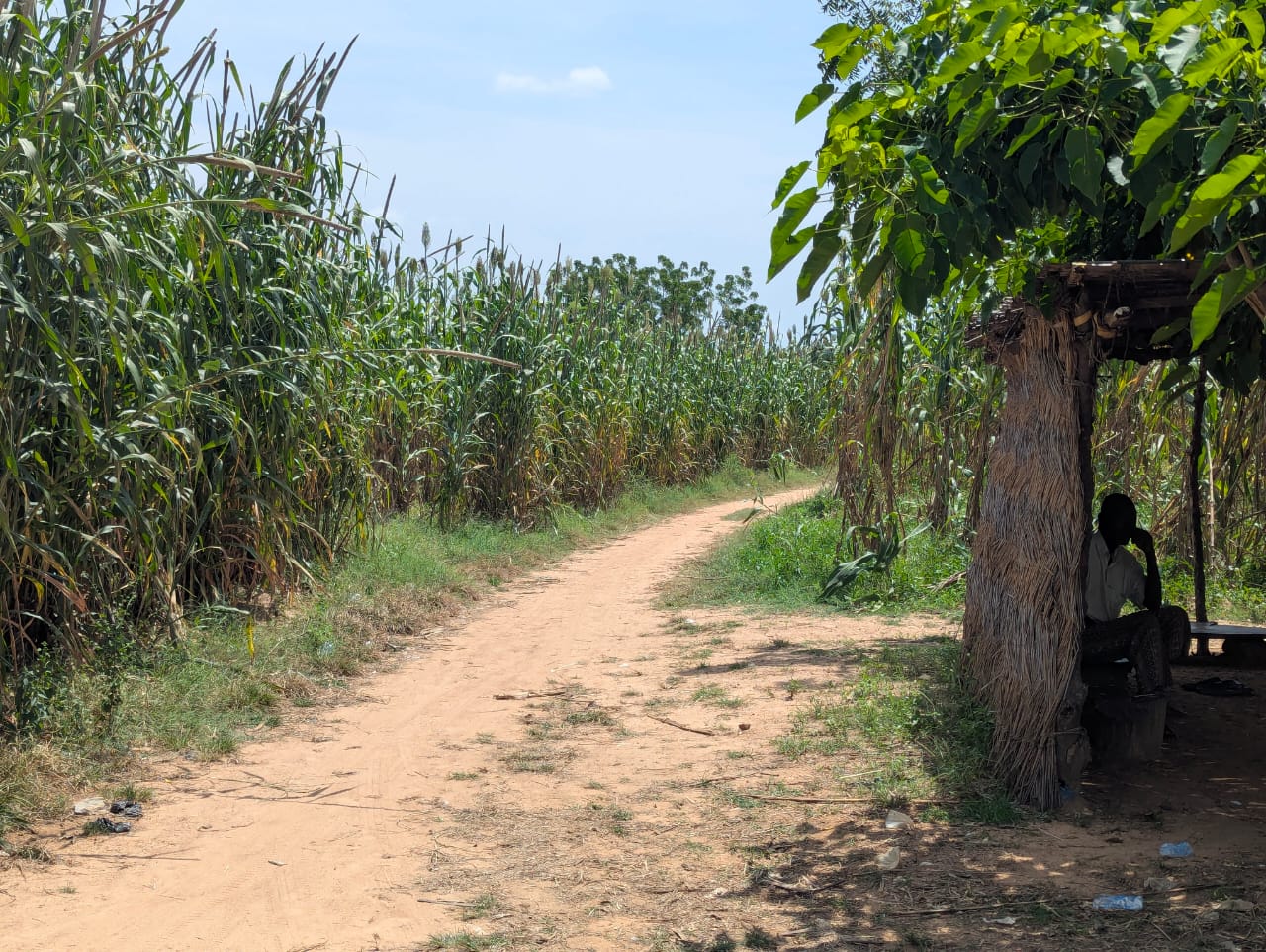
For more than a century, residents of Zakiran Malamai, Zakiran Fatu, Unguwar Fulani, Gidan Jinjiri, and Gidan Gabas — all in Dawakin Kudu Local Government Area of Kano State — have lived without electricity, schools, clean water, or health facilities.
Barely 24 kilometres from Kano metropolis, the five neighbouring villages, which together have more than 500 households, remain cut off from basic social amenities that many Nigerians in urban areas take for granted.
The consequences of this neglect are dire, especially for women. With no health centre or trained midwife in sight, childbirth often becomes a life-threatening ordeal.
“My wife Fadi died on the way to the hospital,” recalled Muhammad Baito, a 39-year-old farmer in Zakiran Malamai. “She was in labour with twins. The first baby came out safely, but the second one had complications. We put her in a tricycle (Adaidaita Sahu) to Yankatsari, but she died before we got there.”

Yankatsari, which hosts the nearest primary health centre, is about seven kilometres away — a journey that takes nearly an hour by tricycle or motorcycle through rough, dusty terrain. For women in labour or patients in critical condition, that distance can mean the difference between life and death.
“We have no hospital, no midwife, and no road,” lamented Hajiya Rabi Aliyu, an elderly resident of Gidan Gabas. “When emergencies happen, we can only pray. Sometimes women give birth at home without any help, and many die like that.”
Maternal deaths and miscarriages, residents say, have become all too common. Yet the challenges in the communities stretch far beyond healthcare.
Children in these villages face grim prospects too. With the nearest school located in Yankatsari, most pupils trek long distances daily. Many, parents say, drop out before completing primary education.
“Because of the distance, many children stop going to school,” said Naziru Biliya, a resident of Zakiran Fatu. “We don’t have teachers or classrooms here.”
Electricity remains another luxury that has never reached these communities. The villages have never been connected to the national grid, forcing residents to depend on lanterns, firewood, and moonlight at night.
“Our community has never seen electricity since its existence,” Baito told CITAD Radio. “We can see the glow of light from villages close to the Kano–Maiduguri highway, but ours remains in darkness. Politicians come during campaigns and promise to bring light, but nothing ever happens.”
Water scarcity is another daily struggle. Residents rely on hand-dug wells that often dry up during the dry season. In desperation, they fetch water from ponds shared with livestock.
“The only borehole we have was provided through community effort,” said Biliya. “Without it, we would have been drinking from the same pond as animals.”
Appealing to the government, Abubakar Saleh, the Ward Head of Zakiran Malamai, called on authorities to urgently intervene in their plight.

“We have no market, no primary school, no secondary school, and no healthcare facility — all these are located in Yankatsari, which is far from us,” he said. “We need government intervention.”
Despite being just a short drive from Kano city, one of the largest urban centres in northern Nigeria, residents say they feel completely forgotten by the government.
“We are Nigerians and deserve the same treatment as people in the city,” said Malam Lawan Zakirai, a community elder. “We don’t ask for much — just electricity, clean water, a school, and a small clinic to save our women.”
Lawan therefore appealed to Governor Abba Kabir Yusuf to intervene urgently, especially now that the rainy season has commenced.
“We’re appealing to His Excellency to urgently come to our aid before something tragic happens.”

A resident of the town, who spoke on condition of anonymity, alleged that Governor Yusuf prioritises political appointments in his hometown, Rijiyar Gwangwan, formerly known as “Itaya,” despite his strong personal ties to Talatar Jido.
All efforts by CITAD Radio to reach Dawakin Kudu Local Government Chairman, Alhaji Sani Ahmad Mai Rago Danbagina, for comments on the matter were unsuccessful. However, one of his aides, who spoke on condition of anonymity, confirmed that the council chairman is set to distribute electricity transformers across different communities in the local government, including the affected areas.
“Yes, the chairman is aware of the challenges faced by those villages,” the aide said. “He has already made arrangements to provide transformers to several communities, including Zakiran Malamai and its neighbouring settlements.”
Repeated campaign promises from politicians have yielded no tangible change. Once elections are over, the residents say, they are left to face their struggles alone.
As Nigeria continues to debate healthcare reform and rural development, the story of these Dawakin Kudu communities stands as a painful reminder that many citizens still live in deprivation — within sight of the city lights that symbolize progress.