
By Sani Saidu Muhammad, Special Correspondent
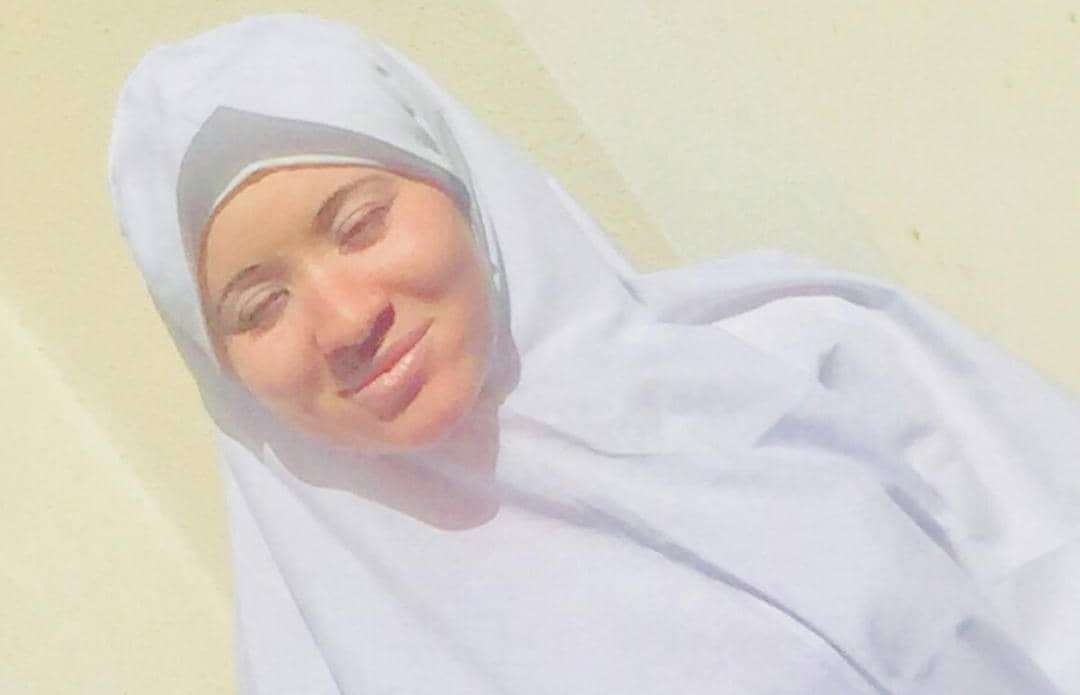
In a simple room with plastic chairs and a medicine shelf in Darmanawa, Tarauni LGA, something important is happening. A baby cries. A mother whispers a prayer. A young woman in a white coat calms the room.
That woman is 24-year-old Saudat Bello Hassan — a community health worker and an albino woman who’s pushing through challenges in a place where access to basic healthcare is still a struggle.
Born Different, Chose a Different Path
Saudat was born with albinism, a condition that brings more than just physical differences — it brings stigma. But instead of hiding, she chose to help others. After completing her training at Alhassan Ibrahim Dawanau College of Health Science and Technology, she found herself stuck. No one called her for interviews.
“I was qualified, but overlooked,” she says. “People see my skin before they hear my skills.”
What Changed: A Training with CITAD
Things started looking up when she joined a free two-month training at the Centre for Information Technology and Development (CITAD), supported by the British Council and Prince’s Trust International. The program focused on helping young people build businesses and learn useful skills.
She didn’t just do well — she came out on top. During a pitch competition, she presented her idea: a small community pharmacy offering cheap maternal care and emergency support. She won a small grant and got to work.
Starting Small, Thinking Big
With less than ₦300,000, she set up a modest shop near her home. She filled it with basic medicines, syringes, antiseptics, and maternity kits.
She started providing services that are often ignored — antenatal checks, injections, drips, and midwifery support. Many women, especially those on their second or third pregnancies, began to rely on her.
“I delivered a baby here,” says Zainab (not her real name), a mother of three. “The hospital was far, and they asked for five thousand. Saudat didn’t ask for anything.”
Going the Extra Mile
But her work doesn’t stop at the shop. She moves around Tarauni with a bag and a basic medical kit. She treats people in their homes, gives night drips, and refers serious cases to hospitals.
She’s even started visiting nearby areas like Unguwa Uku and Gyadi Gyadi to teach women about safe childbirth and hygiene. So far, she’s helped with more than 20 births, given over 100 injections, and sent many patients to proper care when needed. Most of her services cost less than ₦5,000 — many are free.
Inspiring Others
Her work is spreading. At least six others from the same CITAD training have started their own small projects. Saudat shares what she knows, helps them find affordable drugs, and even guides schoolgirls who dream of working in healthcare.
“When I see her, I don’t just see albinism,” says Hafsat, one of her mentees. “I see a leader.”
Still Facing Challenges
Even with all this, Saudat is still struggling. Her shop doesn’t have a fridge, so some drugs spoil. She walks long distances in the sun, which is dangerous for people with albinism. Protective clothes are costly. She also lacks a stable power supply and is still trying to save up to continue her studies.
“What I do is only a drop,” she says, looking out the door. “With more support, I could serve whole villages.”
What This Means
Saudat represents many others like her — people doing real work without waiting for anyone to fix the system. With just a bit of training and support, they’re filling gaps where official services fail.
Imagine what could happen if more people like Saudat got that support.
Imagine if clinics like hers existed in every local community.
If healing is power, then Saudat is already creating change — one baby, one mother, one night visit at a time.