
Amina Khalid
The Centre for Information Technology and Development (CITAD) has identified accessibility barriers in 151 government websites and online portals, saying the situation could deny persons with disabilities access to essential public services.
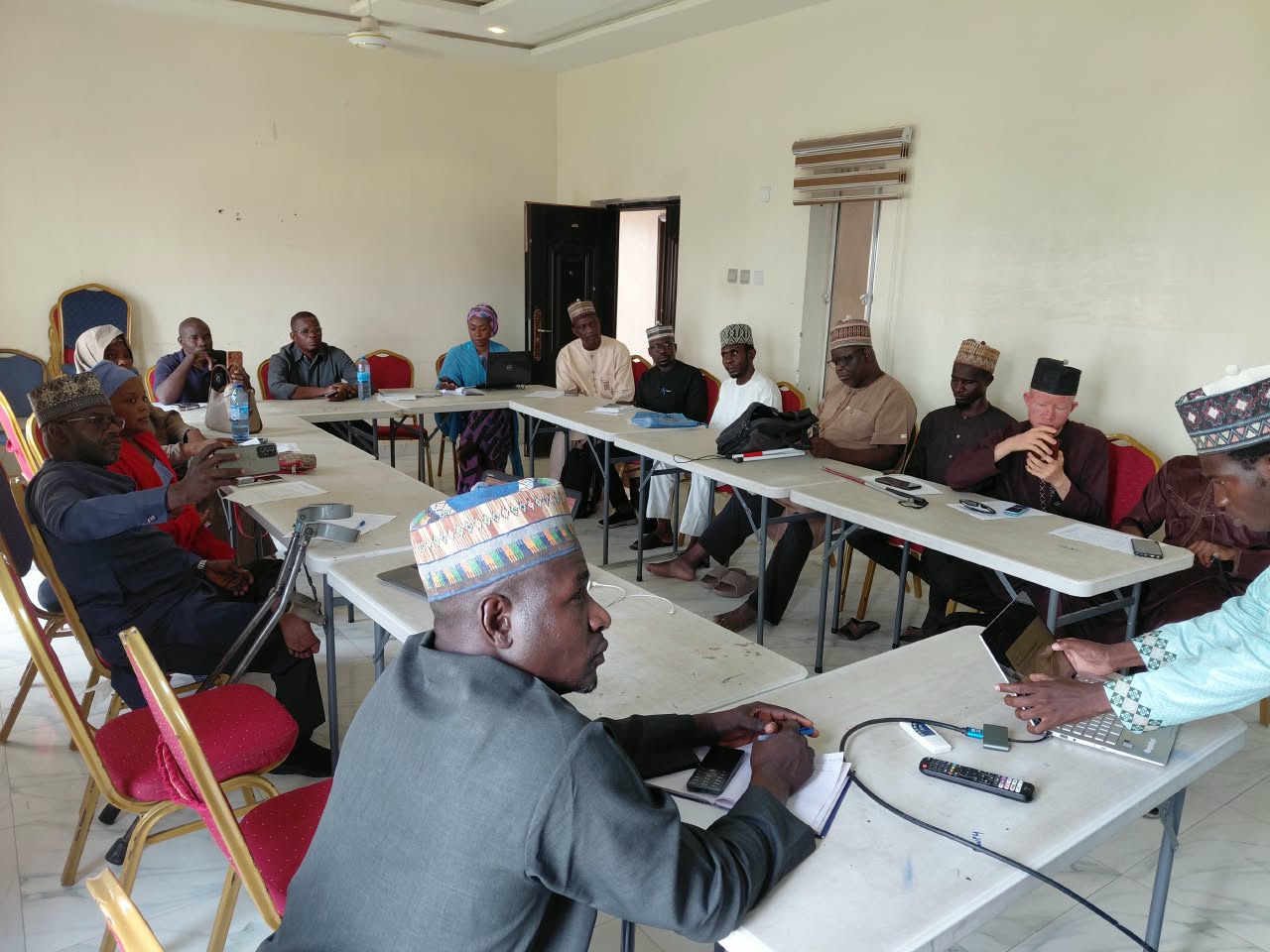
The organisation disclosed this on Tuesday in Kano at a stakeholders’ validation meeting on the assessment of government websites and portals for persons with disabilities.
The assessment was conducted under CITAD’s Campaign for Improved Accessibility of Government Websites and Portals for Persons with Disabilities (CIAGOP), with support from the Association for Progressive Communications (APC).
Speaking on behalf of CITAD’s Executive Director, Maurice Gupar said government’s increasing reliance on digital platforms made it necessary to ensure that persons with disabilities were not left behind.
He said accessibility should be considered a basic requirement in the development of government websites rather than something to be addressed after platforms had been designed.
“Government websites and portals are public platforms, and everyone, including persons with disabilities, should be able to access information and services through them without unnecessary barriers,” he said.
Gupar urged government institutions to adopt recognised accessibility standards and put in place mechanisms for regular monitoring and improvement.
Presenting the assessment findings, CIAGOP Project Officer, Hamza Aminu Fagge, said the exercise examined 151 government websites and portals, focusing on challenges experienced by people with different disabilities, including users of assistive technologies.
He identified poor screen-reader navigation, inadequate alternative text for images, poor colour contrast, inaccessible online forms and multimedia content without captions or descriptions among the major barriers discovered.
Fagge said a website could perform well by conventional standards and still remain inaccessible to persons with disabilities.
“A website may look attractive and perform well under conventional website rankings, but that does not necessarily mean it is accessible to persons with disabilities,” he said.
Participants at the meeting said such barriers could restrict access to government information and services in areas such as education, healthcare, employment and social protection.
They called on government institutions to adopt the Web Content Accessibility Guidelines and establish clear systems for monitoring compliance.
A representative of the Kano State Ministry of Science, Technology and Innovation, Abdullahi Maitama, said the ministry was working towards standardising websites and online portals operated by Ministries, Departments and Agencies in the state.
Maitama said the ministry would study CITAD’s findings and recommendations for possible action.
Similarly, Ibrahim Umar Abdulkarim of the National Association of the Blind called for the involvement of persons with disabilities in website development from the design stage.
He said engaging users of assistive technologies would enable developers to identify accessibility challenges that might otherwise be missed.
Nusaiba Hassan of the Foundation for Empowering PWDs through Media Rehabilitation, Abuja, urged stakeholders to strengthen digital skills training for persons with disabilities, particularly in the use of assistive technologies and online government services.
She also called on tertiary institutions to include digital accessibility in the curricula of computer science, software development, computer engineering and related ICT programmes.
According to her, such training would help future developers understand accessibility as an essential component of digital development.
Participants also examined the use of artificial intelligence in assessing website accessibility.
CITAD said AI tools were used during the assessment but that the results were subjected to human review and verification.
Dr Nasiru Yakubu of Bayero University, Kano, warned that inaccessible digital platforms could further exclude persons with disabilities as more government services moved online.
Representatives of organisations of persons with disabilities commended CITAD for conducting the assessment and involving stakeholders in validating the findings.
CITAD said it would prepare a policy brief based on the assessment and recommendations from the validation meetings and share it with relevant stakeholders.
The organisation said the findings would be used to strengthen advocacy for more inclusive government websites and online services.