
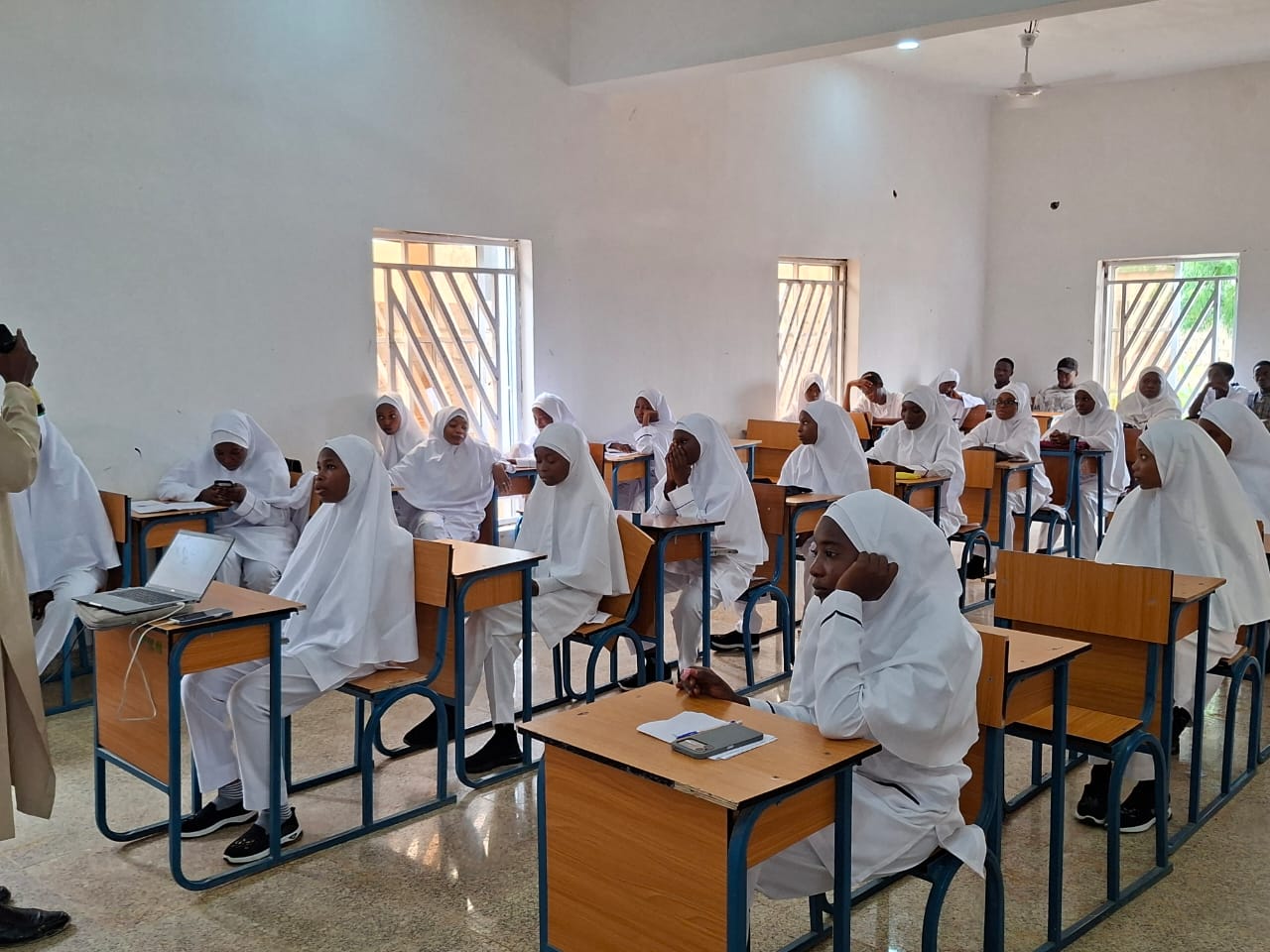
The Centre for Information Technology and Development has introduced students of Ameenatu College of Nursing Sciences, Dutse, Jigawa State, to dComms and the Fediverse as alternative platforms for safer and more private digital engagement.
The introduction to dComms and the Fediverse was made at a sensitisation session held on Wednesday and organised by CITAD with support from the Association for Progressive Communications as part of efforts to promote digital rights and privacy-conscious use of online platforms among young people.
The project lead, Buhari Abba, said the initiative was designed to help students understand their rights and choices in the digital space.
Abba said students needed to be aware of how their personal information was handled by digital platforms and explore alternatives that offered greater control over their online presence.
He said, “We want young people to understand that they have choices in the digital space. dComms and the Fediverse provide an opportunity to explore platforms where privacy, freedom of expression and greater user control are prioritised.”
He added, “Students are among the most active users of digital platforms, so it is important for them to understand their digital rights and make informed decisions about the platforms they use.”
During the session, Yusuf Babagana introduced the students to dComms and the Fediverse, explaining how decentralised social media platforms work and how they differ from conventional social media platforms.
Babagana also took the students through the process of creating dComms accounts, with several participants registering accounts during the practical session.
He explained that while centralised platforms are largely controlled by individual companies, decentralised platforms operate through independently managed servers and communities.
According to him, the model gives users greater choice and autonomy over their digital interactions while reducing their dependence on dominant technology companies.
The session generated considerable interest among the students, many of whom said it was their first time learning about alternative digital platforms.
Some participants expressed their willingness to introduce dComms to their families and friends as an alternative platform for online communication.
The students were also encouraged to protect their personal information, adopt safer digital practices and explore platforms that respect privacy, freedom of expression and digital rights.
The engagement is part of CITAD’s efforts to increase awareness of alternative digital platforms and promote informed and privacy-conscious participation in the digital space.