
By Amina Khalid
Stakeholders from security agencies, the Independent National Electoral Commission (INEC), the media, civil society and academia have called for stronger collaboration and public engagement to ensure peaceful and credible elections in 2027.
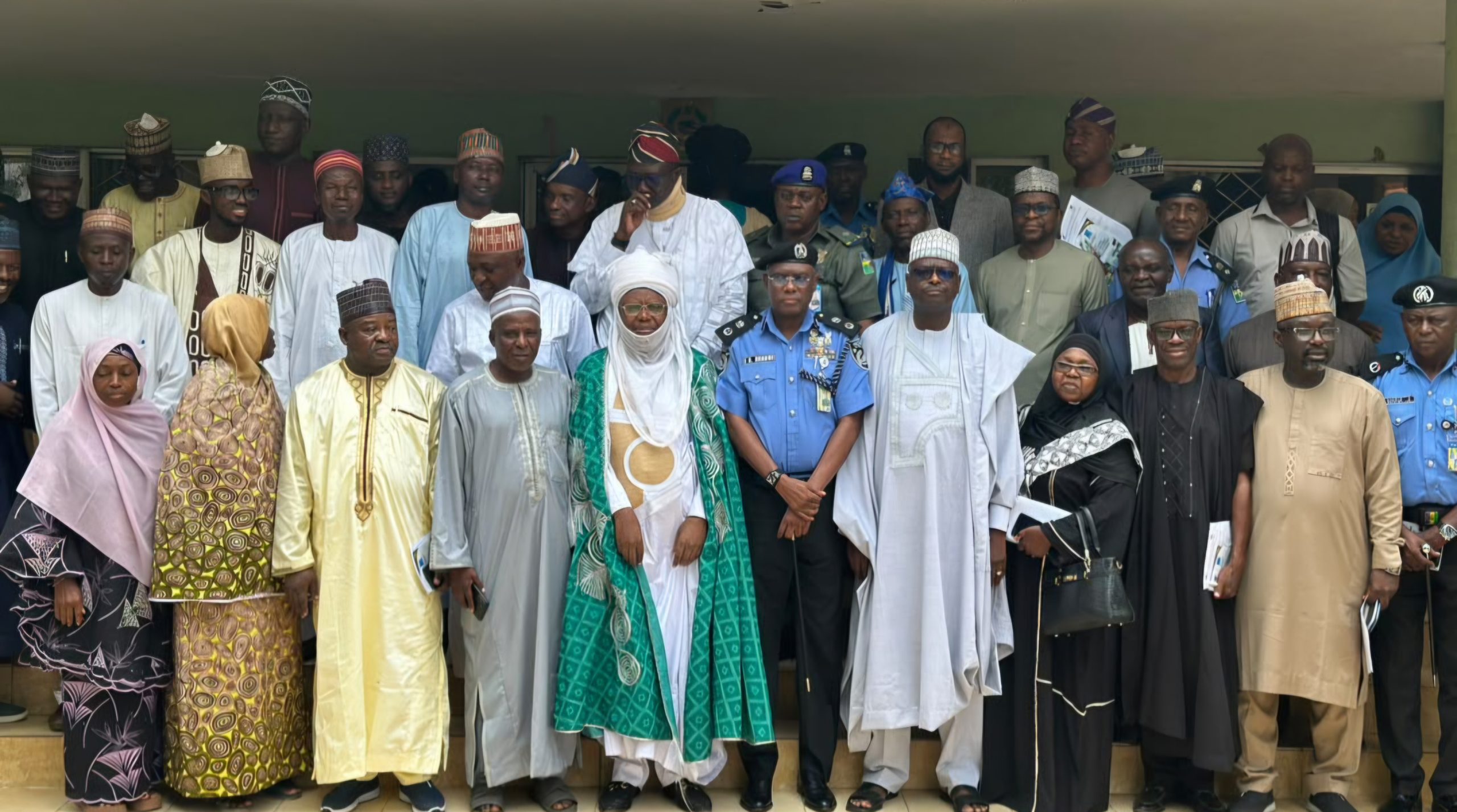
They made the call on Thursday at a one-day engagement on “Strengthening Electoral Engagement for Peaceful 2027 General Elections in Nigeria,” held at Mambayya House, Kano, under the Mambayya House–Al-Habibiyyah Partnership.
The event was attended by representatives of the Kano State Police Command, the Economic and Financial Crimes Commission (EFCC), INEC, the International Federation of Women Lawyers (FIDA), the Nigerian Television Authority (NTA), civil society organisations and the academic community.
The Executive Director of the Centre for Information Technology and Development (CITAD), Y. Z. Ya’u, chaired the engagement.
Speaking at the event, Mr Ya’u raised concerns over the growing use of artificial intelligence to manipulate videos and other digital content, warning that deepfakes and electoral misinformation could undermine the credibility of the 2027 elections.
He said stakeholders needed to begin preparing voters and institutions to identify and reject manipulated content before the elections.
“Videos can now be doctored within seconds using artificial intelligence. We need to prepare our people to understand what is real and what is manipulated,” he said.
The Commissioner of Police, Kano State Command, **Ibrahim Adamu Bakori**, said Kano’s position as a major commercial centre in the North-west and its proximity to states affected by banditry could pose security challenges during the elections.
He identified hate speech by politicians and party supporters, political thuggery and substance abuse among youths as some of the threats to electoral peace.
Bakori also noted the significant participation of youths, women and persons living with disabilities in the electorate, stressing that security planning must take their needs into account.
He said security agencies could not guarantee peaceful elections without the cooperation of citizens and political actors.
“Security is a collective responsibility. It requires political will and the cooperation of all stakeholders,” he said.
He listed measures being taken to address electoral security concerns, including the establishment of a “Safe Corridor” committee by the Kano State Government, a task force on drugs and community engagement through religious and traditional leaders.
Other measures, he said, included pre-election training for security personnel, a community-based mechanism for reporting security threats, protection of election results and the investigation and prosecution of electoral offenders.
A representative of FIDA Kano, Barrister Salma Danbaffa, called for adequate training of INEC ad-hoc staff and increased voter education to promote compliance with electoral guidelines.
She said women, elderly voters and persons with disabilities should receive adequate attention during the electoral process.
Ms Danbaffa stressed the need for electoral officials to provide appropriate arrangements that would ensure that vulnerable groups could vote without unnecessary difficulties.
She also urged stakeholders to promote INEC’s principle of equal access to voters.
Mrs Elizabeth Waziri of the NTA, Kano, said the broadcast media must adhere to the principles of fairness, balance and impartiality in reporting political activities.
She said journalists had a responsibility to provide voters with accurate information while avoiding personal interests and political bias.
Mrs Waziri urged the media to intensify public enlightenment ahead of the elections, saying voters needed reliable information to make informed decisions.
Also speaking, Dr Saidu Ahmad Dukawa of Bayero University, Kano, identified internal injustice within political parties and the conduct of political actors as major threats to peaceful elections.
He said political parties must address internal disputes and discourage hate speech if the 2027 elections were to be peaceful.
Dr Dukawa also called for responsible political language, suggesting that the word “Adawa” (rejection) should be replaced with “Hamayya” (opposition) in political discourse to promote a more constructive political environment.
He said the political class should embrace the fear of God and make it a foundation for peaceful political engagement.
Participants also stressed the need for the media to strengthen fact-checking and resist misinformation, particularly with the growing use of social media.
They said the media must maintain its watchdog role by holding political actors accountable and resisting pressure from politicians.
They also urged civil society organisations and non-governmental organisations to complement the media’s accountability role by monitoring political activities and promoting peaceful participation ahead of the 2027 general elections.