
Buhari Abba
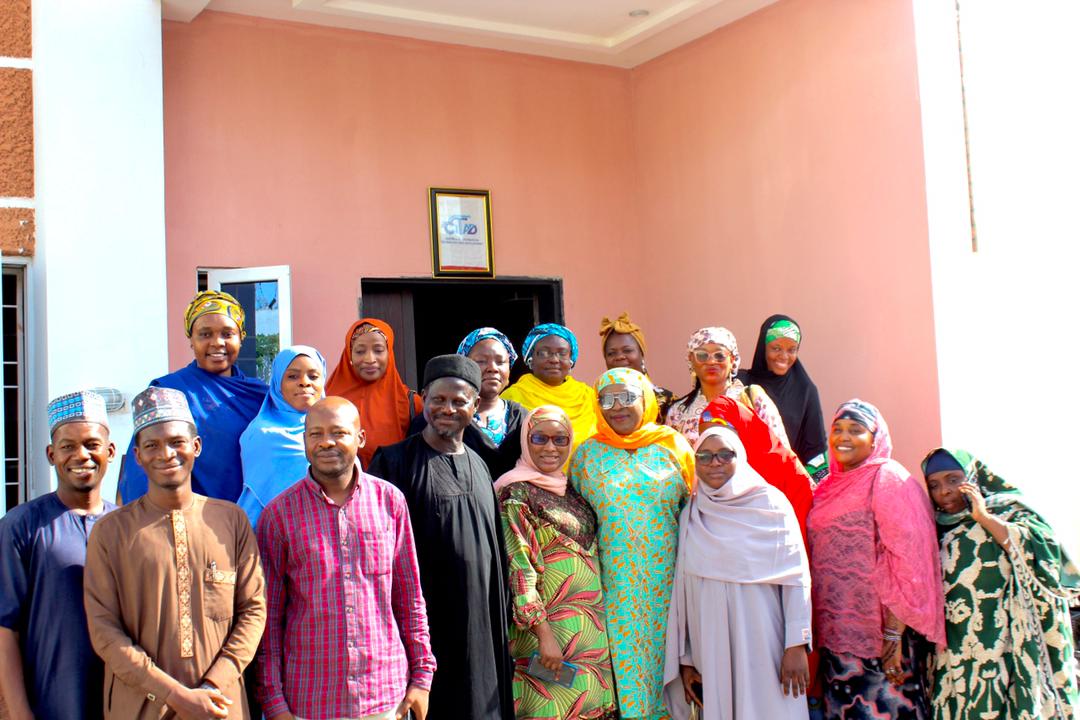
The Centre for Information Technology and Development has trained members of the Nigerian Association of Women Journalists from Kano and Bauchi states on the application of Artificial Intelligence in journalism.
The two-day capacity-building workshop, which commenced on Thursday at the organisation’s headquarters in Kano, was aimed at equipping female journalists with the digital skills required to navigate the rapidly evolving media landscape.
Speaking at the opening of the training, the Executive Director of CITAD, Dr Y. Z. Ya’u, represented by the organisation’s Senior Programme Officer, Isa Garba, said the initiative was designed to help women journalists remain competitive and relevant in an era increasingly driven by technology.
According to him, artificial intelligence has become a major force shaping journalism and media practice globally, making it necessary for journalists to understand and utilise emerging technologies.
“Artificial intelligence is now part of the global media ecosystem. Journalists must understand how to use it effectively to improve their work while remaining conscious of its ethical implications.
“The goal is to help them keep pace with global developments and international standards of journalism,” Garba said.
He noted that journalists who fail to adapt to technological changes risk being left behind, adding that AI can improve efficiency, productivity and the quality of media content when used responsibly.
Garba described technology as a “double-edged sword” capable of being used for both beneficial and harmful purposes, stressing the need for media professionals to maximise its advantages while maintaining ethical standards.
He further stated that AI should complement human intelligence rather than replace it, expressing confidence that participants would apply the knowledge gained to improve reporting, enhance newsroom operations and adopt innovative storytelling techniques.
Also speaking, the Chairperson of the NAWOJ Bauchi State Chapter, Rashida Yusuf, described the training as timely, noting that artificial intelligence and other emerging technologies are transforming the journalism profession.
She said the workshop would enable women journalists to acquire modern reporting skills and compete effectively in the media industry.
Yusuf, however, cautioned against excessive dependence on AI-generated content, emphasising that journalists must continue to prioritise critical thinking, research and creativity.
“While AI offers numerous opportunities, journalists should not rely entirely on it. It should be used as a tool to reduce workload and improve productivity without compromising professional standards,” she said.
In her remarks, the Chairperson of NAWOJ in Kano State, Bahijja M. Kabara, urged women to embrace digital innovation and take advantage of opportunities presented by artificial intelligence.
She noted that women remain underrepresented in many technology-related fields and called for greater commitment to digital skills development.
According to Kabara, AI presents enormous opportunities in education, entrepreneurship, professional advancement and economic empowerment, adding that increased participation by women would help bridge the digital gender gap and position them for success in the digital economy.