
Amina Khalid Muhammad
Sadiya Ahmad Musa
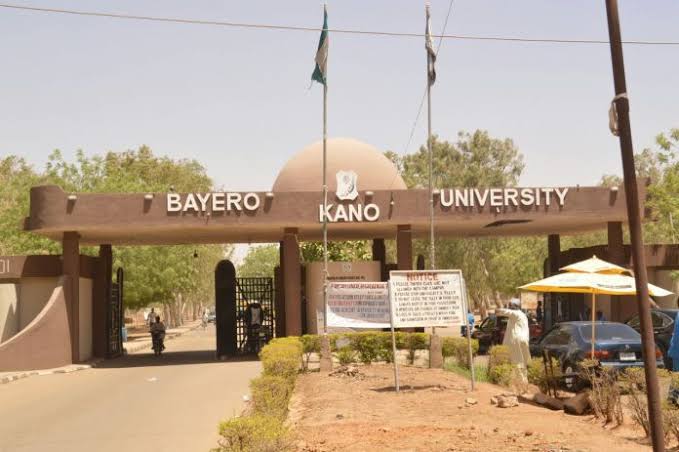
Students at Bayero University Kano’s (BUK) new campus were left grappling with severe water shortages over the weekend, disrupting daily life in hostels and sparking renewed concerns over water access and campus infrastructure. The crisis forced students to fight for basic necessities such as drinking water and sanitation, highlighting the persistent issues with utility management at a time when UNICEF reports show only 20% of Nigerian schools have reliable water and sanitation services.
Students Share Their Frustration
For hours, students endured dehydration, unbearable heat, and interrupted routines. Aisha Ibrahim, a 300-level Economics student, described the experience as “dehumanizing.” “Imagine waking up with no water to brush your teeth, bathe, or even drink. By afternoon, the heat made it impossible to concentrate. Some of us had to skip meals because we couldn’t wash utensils,” she explained.
Grace Aluko Daniel, a final-year Education student, attributed the crisis to poor institutional planning. “This isn’t the first time. Last semester, we went two days without water. How can we excel academically when basic survival is a struggle?” she asked, calling on university officials to “stop firefighting and start planning.”
The shortage also had an impact on academics. James Daniel, a Mass Communication student, explained, “Group projects were postponed. The libraries were empty—everyone was too stressed or busy trying to find water. This isn’t just about comfort; it’s about our futures.”
National Challenges Reflected on Campus
This situation mirrors a nationwide crisis. In a recent media dialogue, UNICEF’s Zaid Jurji stated that 80% of Nigerian schools lack dependable water and toilet facilities, a reality that threatens both health and education. Rabi’u Yusuf, a History student, connected the BUK water shortage to this larger issue. “We’re a top university, yet we’re facing the same problems primary schools face. If BUK can’t solve this, what hope do smaller institutions have?” he remarked.
Although BUK management restored water supplies by Sunday, students criticized the delay in addressing the problem.
A University Student Affairs official, speaking anonymously to CITAD Radio, admitted the challenge: “We are aware of the infrastructural gaps. The new campus’s population has tripled since 2020, but water systems haven’t kept pace. Emergency boreholes are being developed, but long-term upgrades need both state and federal partnerships.”
Calls for Long-Term Solutions
Students are demanding long-term solutions. “Quick fixes won’t work,” Aisha Ibrahim stated. “We need investment in pipelines, reservoirs, and maintenance teams—not just empty promises.” Others called for student-led oversight committees to monitor the progress of utility projects.
The crisis has prompted renewed calls for Nigeria to prioritize water infrastructure in its education budgets. As Grace Aluko Daniel firmly stated, “Water isn’t a privilege. When students can’t wash or drink safely, it’s a failure of leadership.”