
By Salim Sani Shehu & Buhari Abba
Pottery, an age-old craft deeply embedded in Nigerian culture, remains a vital economic activity in Rege, a town in Wudil Local Government Area of Kano State. Despite its significance, potters face challenges, including difficulty accessing clay excavation sites, the absence of a dedicated marketplace, and limited financial support.

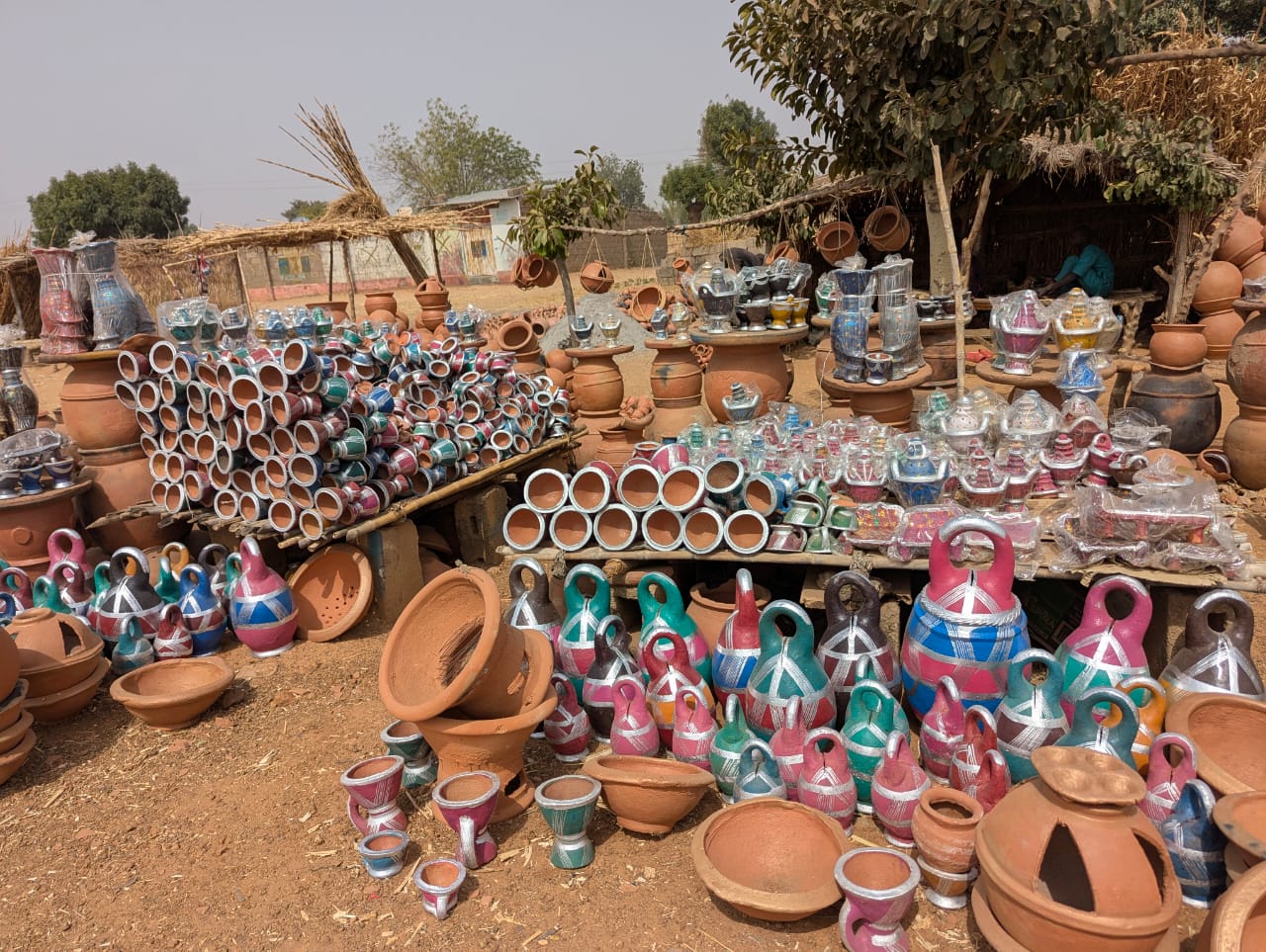
Located 35 kilometers from Kano’s capital, Rege is renowned for its pottery. Travelers along the Maiduguri road often see roadside displays of incense burners, water pots, vases, and cooking vessels—testaments to the community’s craftsmanship. The trade sustains many families and has been passed down through generations.
According to market chairman Sani Abdullahi, pottery has been central to Rege’s economy for decades. “This business has existed since the time of our forefathers. We all grew up in it, so no one can say exactly when it started,” he said. He noted that newer designs have increased demand, especially for incense burners and vases used in marriage ceremonies and cultural events.

Over 300 people in Rege rely on pottery for income, with others engaged in related activities such as trading, decorating, and transporting the wares. Many households depend solely on pottery.
Adamu Musa, a potter, described how the craft has supported his family. “I inherited this trade from my father. It has enabled me to educate my children, including one in university,” he said.

However, securing raw materials remains a challenge. Haruna Saleh, another potter, explained, “The clay we use comes from private farmlands, and we are often evicted without notice, disrupting production.” Some potters buy clay from other locations, increasing costs and reducing profits.
Abdulkadir Usman, who decorates vases, highlighted shifting preferences. “People now prefer painted and customized designs. We have moved beyond traditional styles to create items that fit modern homes,” he said, adding that limited access to quality dyes and paint hampers their work.

With over 30 years of experience, Ibrahim Adamu called for government intervention. “We need a dedicated excavation site. The government should recognize our contributions and support us with permanent land for clay sourcing,” he said.
Salisu Bello emphasized the importance of passing the craft to younger generations. “Our pottery is recognized nationwide, but we need infrastructure and policies that promote it. A training center for young potters would help sustain this tradition,” he said.

Evictions from clay sites have disrupted production, forcing some artisans to seek alternative livelihoods. Market chairman Abdullahi reiterated the need for a permanent excavation site. “We urge the Kano State government to allocate land for clay sourcing to ensure stability in our business,” he said.
He also advocated for a structured marketplace. “Rege has the potential to become a major tourist destination if the government invests in a pottery hub. A dedicated market would provide a proper trading environment and attract local and international tourists,” he said, suggesting exhibition spaces, training centers, and designated stalls for potters.
Local pottery dealer Salisu Hassan echoed this sentiment. “Selling by the roadside exposes us to harsh weather and limits our ability to stock large quantities. A proper market would allow us to expand and serve more customers,” he said.

Tourists visiting Rege also recognize the need for investment. Suleiman Garba, a visitor from Yobe State, noted, “I wanted to buy many items for export, but the absence of a proper pottery market makes logistics challenging.”

Transportation issues also affect potters, as fragile items often break during long journeys. Traders face losses, and some rely on makeshift packaging. Government support could help improve packaging solutions.
Many potters struggle with financial limitations. “We need financial support, such as loans or grants, to buy better tools and expand production,” said Musa Garba, a young potter.
Despite these challenges, Rege’s artisans remain resilient, adapting to changing demands while hoping for support that will sustain and enhance their craft.